
Human-first
You and your clients keep the relationships and the final call. AI supports the work; it does not run the business.

Design Reasoning is a human-first practice: AI takes on the repetitive gruntwork, and you keep your privacy, your client relationships, your judgment, and the final call.
More time for

For 17+ years I've mapped how work actually gets done: the workflows, the software, the time-eating steps that quietly pile up. I hold a master's in instructional design, I've been a university professor teaching software in business settings, and I have three STEM degrees from UC Berkeley behind an analytical, evidence-first approach.
I was improving workflows and introducing automation long before today's AI tools existed. AI is simply the newest, most capable accelerator for work I already knew how to make better.
My thesis is simple: AI should handle the repetitive gruntwork so you keep the privacy, the client relationships, the judgment, and the final decisions. Technology should make room for the work only you can do, not replace the parts of your business that depend on being human.

Companies that treat AI as a quiet way to replace people keep learning the same expensive lesson: it doesn't work, and it burns the trust and knowledge that made the business run in the first place. I've spent years in organizational change management, including taking programs staff were openly against and turning them into part of how the company works. The pattern never changes: change sticks when the people affected help shape it.
So when I bring AI into a team, staff are stakeholders, not casualties. We're honest about what AI takes over (the repetitive gruntwork) and what stays firmly human: judgment, relationships, and the final call. People adopt what they helped build, and they defend it. That's how you get AI that lasts in a business, instead of one more tool nobody trusts.
Using AI well is not just about speed. It is about output you can trust and choices you can stand behind.
Verification and grounding are built in, so you get checkable answers with sources, not confident guesses dressed up as facts.
Set up to push back, flag uncertainty, and tell you when you are wrong. A real thinking partner, not a yes-machine.
We right-size the model to the task and run local, open models where they fit, so you are not burning a data center to draft an email.
AI moves fast. These are the parts of the approach that stay fixed, whatever the tools do next.
You and your clients keep the relationships and the final call. AI supports the work; it does not run the business.

Client data and private information are handled with care. Privacy is a starting requirement, not an afterthought.
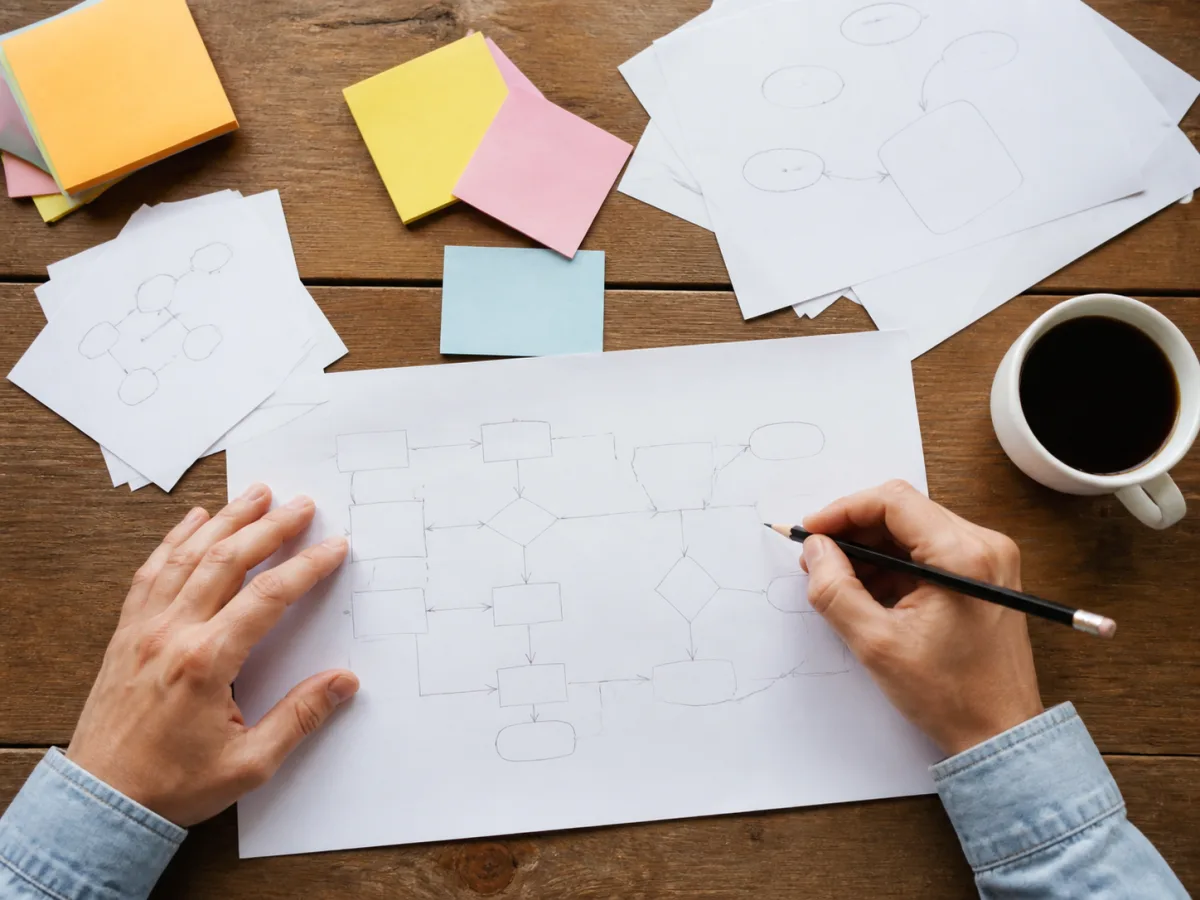
We map the work as it actually happens before speeding it up. Automation built on a guess just moves the mess faster.

AI drafts, organizes, and handles the gruntwork. You review, verify, and decide.
Bring the process that confuses you, the task that keeps repeating, or the team that needs to get comfortable with AI. We'll find the right first step together.